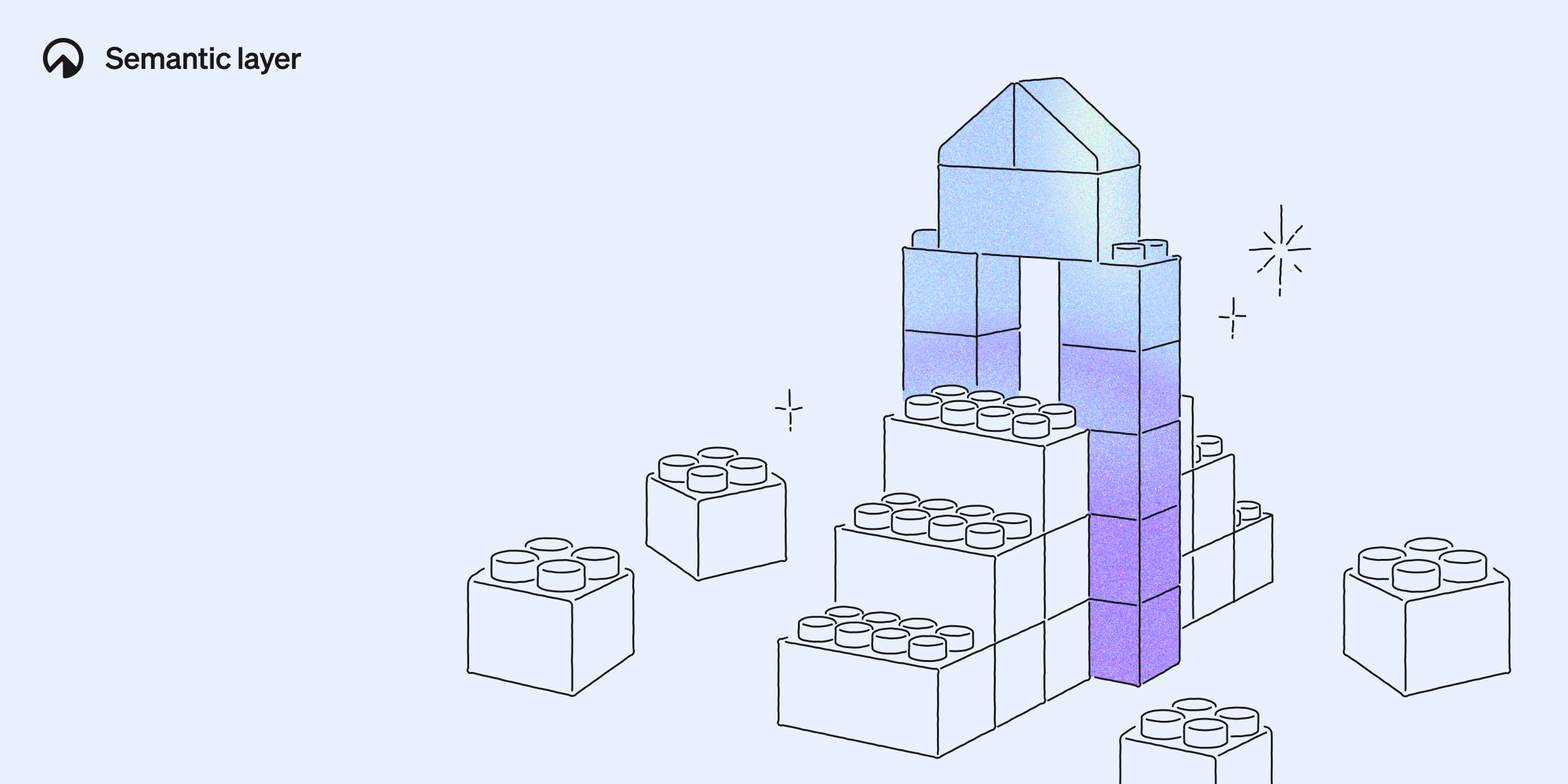
The semantic layer is not a fad. It's the foundation for modern data teams. This blog will break down the requirements for a semantic layer, and share best practices on how to ace your implementation.

For years, data teams have chased the same goal: a single source of truth, consistent metrics, and governed data across the BI tool. Every department should look at the same numbers, every time. The semantic layer is the key ingredient that makes this possible, but it does more than ensure consistency within your organization. It also lays the foundation for any reliable AI-driven analytics, giving every tool and model shared context and meaning through a reliable, single source of truth.
The industry is already moving toward shared standards for semantic models, with initiatives like the Open Semantic Interchange (OSI) showing that the semantic layer isn't just a buzzword, it's essential for reliable data, shared context across the industry, and AI that actually works.
What is a semantic layer?
A semantic layer, or metric layer, is a layer of abstraction on top of your raw data, designed to make data easier to understand, access, and analyze without requiring technical knowledge of databases or query languages. It acts like a translator of complex data structures into human-friendly business concepts.
1. A cloud data warehouse
Every semantic layer starts with a solid foundation. A cloud data warehouse is the modern foundation for a semantic layer. Platforms like Snowflake, BigQuery, or Redshift provide the performance, scalability, and flexibility needed to deliver reliable data at speed.
A modern data warehouse ensures your semantic layer can:
- Query data efficiently at scale
- Integrate seamlessly with BI tools and APIs
- Maintain performance even as data volumes grow
Without this foundation, even the best semantic layer will struggle to perform.
2. A basic data model
Start simple, expand later. One common misconception is that you need a perfect data model before implementing a semantic layer. If you have one, great! If not, start with a basic model, learn, then iterate.
A basic, well-structured data model is enough to start. Focus on a single use case, define a few core relationships, and evolve from there.
Bonus points for using a star schema, but don't let that hold you back. The key requirement here is clarity. Your data should be organized in a way that makes it easy to define and calculate metrics consistently.
3. Alignment on core KPIs and definitions
A semantic layer is only as good as the definitions behind it. Before you roll it out, talk to stakeholders across teams and agree on your core KPIs and metrics; revenue, active users, churn rate, NPS, etc.
A shared understanding of definitions is fundamental for your semantic layer, because it:
- Creates alignment across teams
- Eliminates conflicting numbers
- Enables consistent reporting across tools
Once your definitions are established, the semantic layer enforces them automatically, ensuring everyone speaks the same data language.
4. A champion to lead the change
Technology alone is rarely enough. Implementing a semantic layer is a team effort that involves analysts, engineers, and business stakeholders, but you need a champion to lead the charge. This person doesn't necessarily need to manage definitions; their responsibility is driving clarity, governance, and adoption across teams.
A champion is typically responsible for:
- Team adoption: Educates and motivates teams to use the semantic layer consistently
- Governance and quality: Maintains data integrity and enforces best practices
- Cross-team alignment: Bridges analysts, engineers, and decision-makers to speak the same data language
Having a clear owner ensures the semantic layer doesn't just exist, it thrives.
5. Leadership buy-in
Finally, you'll need leadership support to make the semantic layer stick. When execs understand that the semantic layer is an investment that drives strategic value, you've set yourself up for success.
A well-supported semantic layer enables:
- Faster, smarter decisions: Executives and teams get reliable insights instantly
- Operational efficiency: Reduce costly ad-hoc analyses and free up resources
- Company-wide trust: Everyone works from the same metrics, eliminating conflicting numbers
The secret to success: Start small and scale
Building a semantic layer isn't about getting everything perfect on day one. It's about laying the groundwork for trust, consistency, and scalability. The most successful teams we've seen don't wait for perfect conditions. They start small, focus on one domain or department, prove value early, and expand from there. What matters most is that you get started.
Make the semantic switch with Steep
Steep's semantic layer empowers teams with a metrics-first approach. It ensures a company-wide single source of truth and a user-friendly BI tool where all team members can explore and analyze company data freely.
Why teams love Steep's semantic layer:
- Fast and easy onboarding. Connect your database and start defining your semantic layer in minutes.
- Metrics are easy to define and govern in-app or in code.
- All definitions are centralized in the metric-catalog, accessible to everyone to explore and analyze.
Want to get started with your semantic layer?
Create a free workspace in Steep →
Book a demo
Get help with exploring the platform and discussing use cases for your team.
Get started
Explore for free. Get your own workspace or try the demo setup.
More posts

Intro to Steep
By Janna Pollari·Events
Webinar with Daana
By Janna Pollari·Events

Meet us at Snowflake Summit 2026
By Deanne Anderson·Events
Introducing Steep AI
By Nino Höglund·Product

A builder's guide to the Steep API
By Hanna Kjellén·Inside Steep
New in Steep: API – Metrics power anything
By Nino Höglund·Product